

TERRAFORM
Climate Infrastructure Intelligence
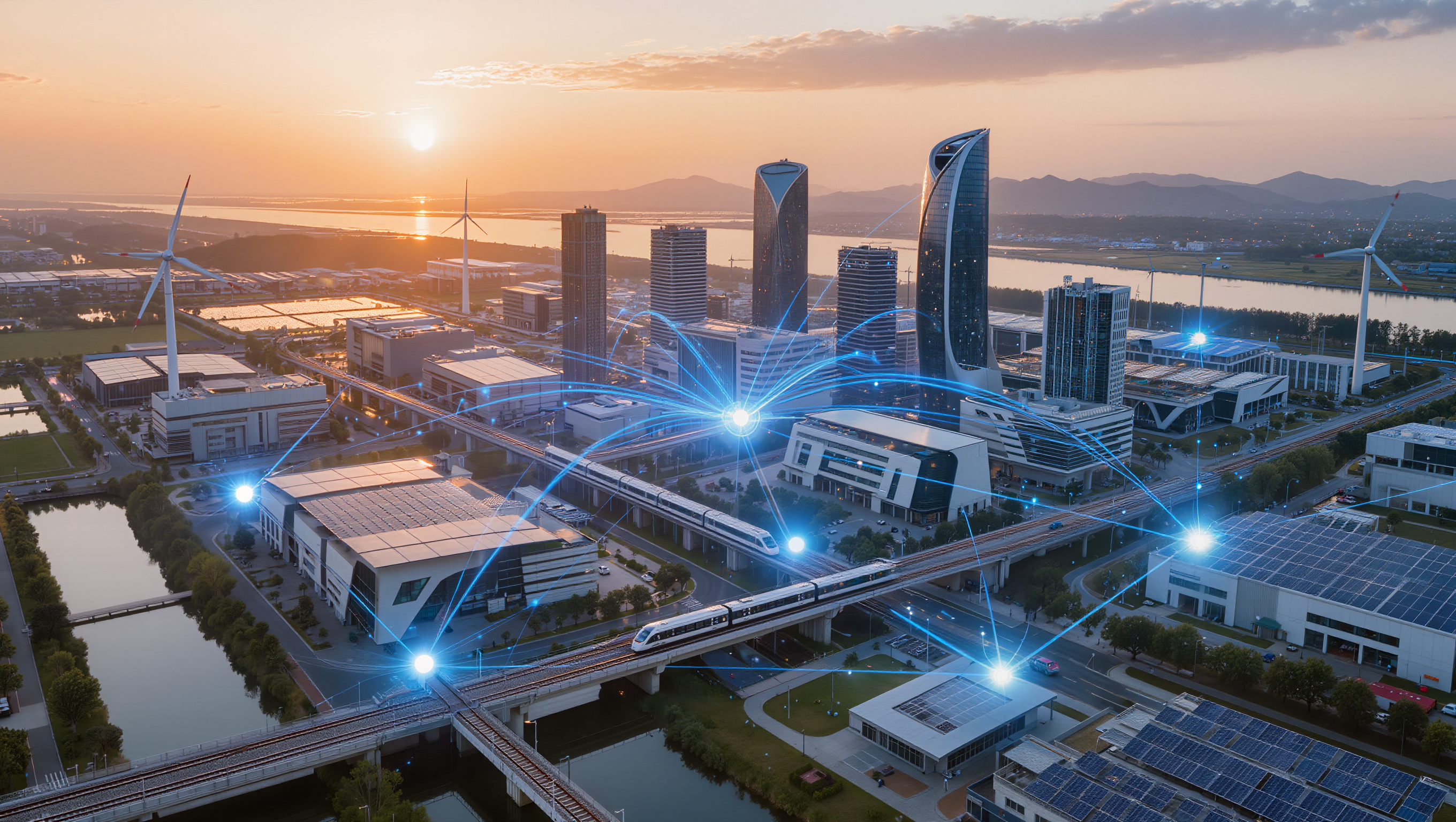
Quantum optimization orchestrating entire city-scale climate systems as one interconnected network. Power grids, buildings, water, transport, optimized simultaneously to cut urban carbon 15-30%.
Cities Optimize in Silos
Urban infrastructure systems operate independently, missing billions in efficiency gains from cross-system coordination.
The Trillion-Variable Problem
A mid-size city has 50,000+ buildings, 500+ grid substations, 1,000+ water pumping stations, and 100,000+ transport nodes. Each system is optimized independently by different operators using different software. When solar generation peaks, buildings don't pre-cool. When EV charging surges, the grid doesn't pre-position storage. When water demand drops, pumps still run.
The result: 20-35% wasted energy, $4-8 billion per city per year in efficiency losses, and carbon emissions that could be eliminated through coordinated scheduling alone.
The Optimization Gap
Coordinating millions of interdependent variables across power, water, HVAC, and transport is a combinatorial optimization problem that grows exponentially with city size. Classical solvers hit walls at ~10,000 variables.

Quantum City Orchestration
TERRAFORM treats the entire urban infrastructure as one quantum-optimizable system.
QAOA Optimization Engine
Quantum Approximate Optimization Algorithm schedules millions of interdependent infrastructure decisions simultaneously. When to store solar, which buildings to pre-cool, how to route water pressure, all optimized as one problem.
Urban Digital Twin
Real-time digital twin of the city's infrastructure ingests IoT sensor data, weather forecasts, and demand predictions. Quantum-enhanced simulation models cascading effects across systems before committing changes.
Adaptive Quantum Circuits
Self-tuning quantum circuits adapt to changing conditions in real time. As weather shifts or demand spikes, the optimization recalculates in minutes rather than the hours required by classical solvers.
Carbon Verification Layer
Built-in carbon accounting measures actual emissions reduction from each optimization cycle. Verified data feeds directly into carbon credit markets and ESG reporting frameworks.

$200B+ Energy Management Market
Smart city infrastructure meets quantum-scale optimization.

Why TERRAFORM Wins
No platform optimizes across infrastructure silos at quantum scale.
Cross-System Optimization
Only platform treating power, water, HVAC, and transport as one interconnected optimization problem rather than separate siloed systems.
Quantum Scale
QAOA handles millions of interdependent variables where classical Mixed-Integer Programming solvers fail above 10,000 variables in real-time windows.
Outcome-Based Pricing
Revenue tied to verified energy savings. Customers pay a percentage of actual cost reduction, eliminating procurement risk and aligning incentives.
Carbon Credit Monetization
Verified emission reductions generate tradeable carbon credits, creating a secondary revenue stream that subsidizes platform adoption.
Government Alignment
IRA, EU Green Deal, and national net-zero mandates create $500B+ in public spending on exactly this category of infrastructure optimization.
Network Effect
Each city deployment enriches the optimization model. Cross-climate-zone learning improves predictions for every subsequent city.

Path to Deployment
From single-building to city-scale optimization.
Single-System Proof
Deploy quantum-optimized grid balancing for one utility district. Demonstrate 10%+ energy savings versus classical optimization. Validate digital twin accuracy against real-world measurements.
Cross-System Integration
Connect grid + building HVAC optimization in pilot city. Launch real-time digital twin with IoT sensor integration. Achieve 15% coordinated energy reduction across two systems.
Full City Deployment
Add water and transport to the optimization mesh. Deploy in 3 pilot cities across different climate zones. Achieve verified 20%+ emission reductions. Launch carbon credit monetization.
Global Scale
Platform deployment across 20+ cities. Utility and municipal partnership network. International expansion (EU, Middle East, Asia-Pacific). Target $50M ARR from platform licensing and outcome fees.
Where TERRAFORM Transforms
Every urban system becomes part of one quantum-coordinated whole.
Renewable Integration
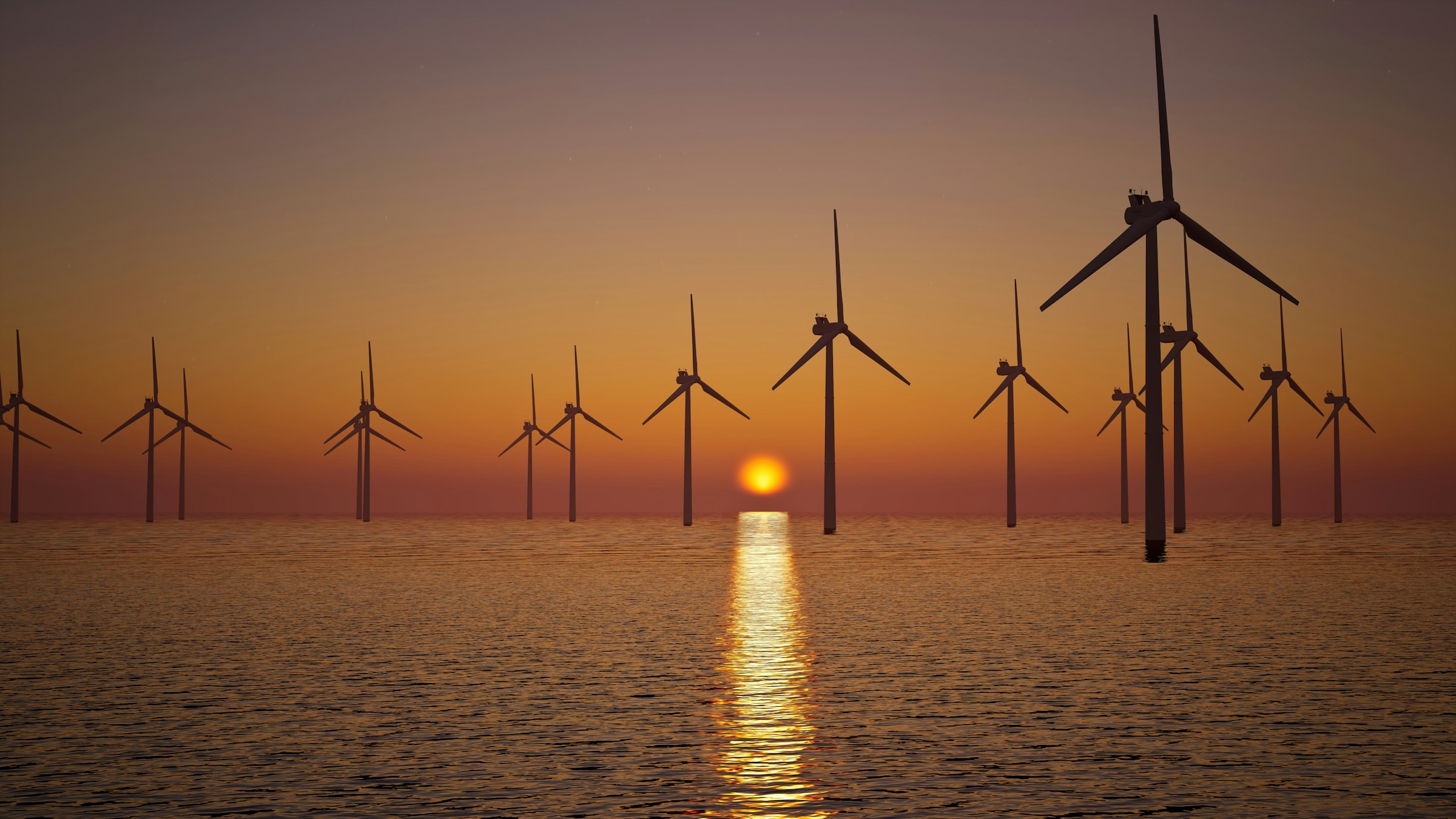
When solar peaks, TERRAFORM pre-cools 10,000 buildings, charges grid storage, and routes EV charging, absorbing renewable energy that would otherwise be curtailed.
Demand Response Orchestration
During grid stress events, coordinates building load-shedding, water pump scheduling, and EV discharge to reduce peak demand by 25% without affecting service levels.
Water-Energy Nexus
Optimizes water pumping schedules to align with off-peak electricity, reducing water system energy costs 20-30% while maintaining pressure for firefighting reserves.
Climate Resilience
During extreme heat events, coordinates cooling centers, grid capacity, and water distribution to protect vulnerable populations while preventing grid collapse.

Quantum-Optimized Architecture
Hardware-agnostic quantum with classical resilience.
Quantum Layer
QAOA Engine
Quantum Approximate Optimization on IBM Heron, Google Willow, Quantinuum H2 with auto-compilation per backend
Digital Twin Simulator
Quantum-enhanced Monte Carlo simulation of urban systems with real-time IoT data integration
Adaptive Circuit Optimizer
Self-tuning variational parameters that adapt to changing conditions without full recompilation
Multi-Objective Solver
Simultaneous optimization of cost, carbon, comfort, and resilience using quantum Pareto frontier computation
Platform Features
- Real-time IoT sensor ingestion (100K+ endpoints)
- Weather forecast integration (15-min resolution)
- SCADA/BMS/EMS system connectors
- Carbon accounting & credit generation
- ESG reporting dashboard (GRI, TCFD, CDP)
- Multi-city fleet management console
- Classical fallback for 100% uptime
- SOC2 Type II compliant infrastructure

Revenue Architecture
Outcome-based pricing aligned with customer savings.
Platform License
Annual per-city platform licensing for municipalities and utilities with full system integration
Outcome Fees
Share of verified energy cost savings, creating recurring revenue directly tied to platform performance
Carbon Credits
Annual carbon credit generation from verified emission reductions, shared with city partners